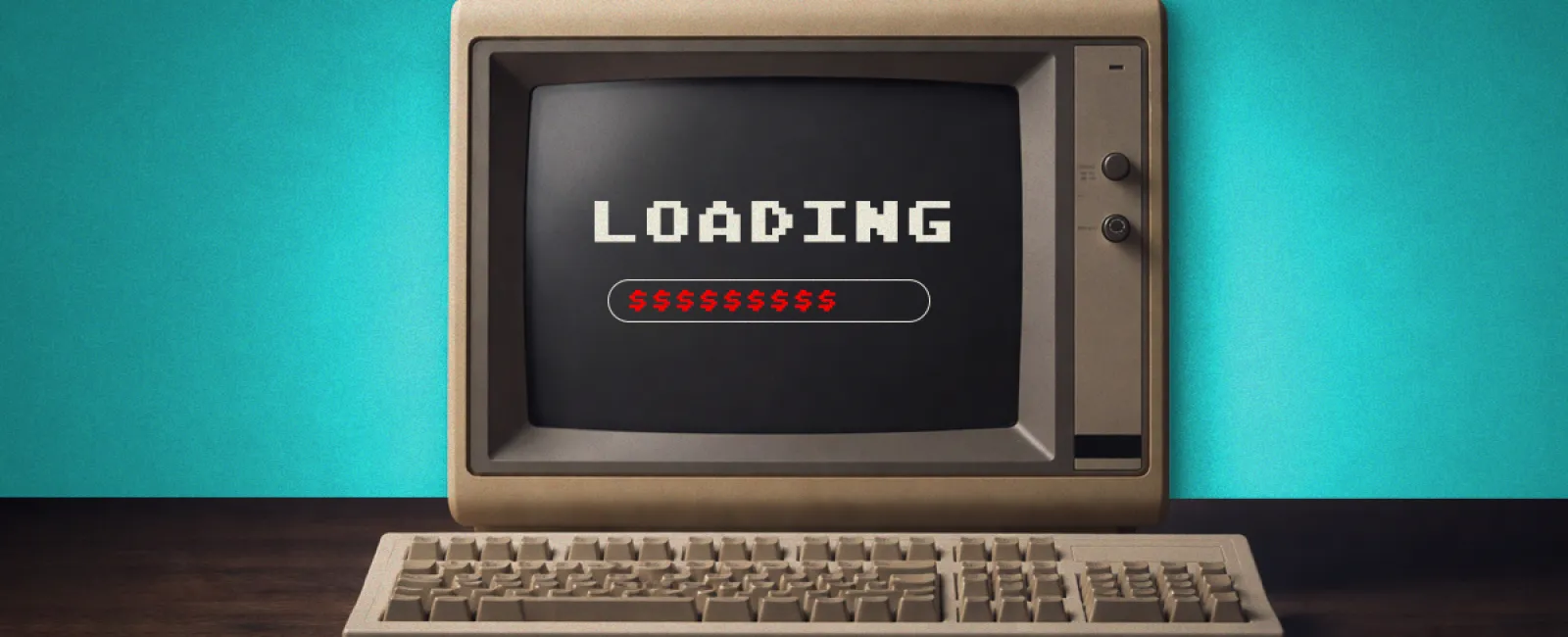
Most businesses keep outdated technology around for the same reason people keep a worn-out sock with a hole in it—it still works, but only just, and not well enough to trust.
You see the signs in everyday moments: a simple email takes forever to send, or you click save and the screen stalls like it's stuck in place.
It's annoying, but it's easy to ignore. You keep moving, the problems stay in the background, and the tech keeps draining your business little by little.
What feels minor in the moment can quietly become a real monthly expense.
When old technology starts costing more than it saves
Keeping older systems can seem like the smart budget move. If they still turn on, why replace them?
The catch is that aging equipment doesn't stay neutral. Over time, it creates hidden costs that are easy to miss at first.
Electricity bills often rise because older devices have to work harder to do the same job. They consume more power, produce more heat, and place added strain on nearby equipment, especially during the warmer months. Newer systems are designed for better efficiency. They use less energy, stay cooler, and handle more work with less waste, which helps reduce operating costs over time.
Then there's the productivity hit. Work that should be fast starts taking longer. Applications lag, files open slowly, and small delays become part of the routine. The work still gets done, but it takes more time, and those lost minutes add up quickly.
Frequent interruptions make things worse. Systems lock up, connections drop, and restarts become a normal part of the day. Each issue may only last a few minutes, but it breaks concentration and slows the entire team.
When you add it all up—higher utility costs, wasted time, and recurring interruptions—it becomes much harder to justify the money you thought you were saving.
What happens when you stop paying for inefficiency
Once the "small" problems are fixed and aging systems are replaced where it makes sense, the improvement is immediate.
- Systems power up on time without delays or repeat attempts
- Temporary fixes and constant restarts stop interrupting the day
- Your team spends more time getting work done and less time waiting on technology
- Energy usage drops as efficient, modern systems replace outdated ones
- Long-term costs tied to downtime and inefficiency begin to decline
The entire day runs more smoothly, your team stays focused, and you stop paying to keep outdated technology on life support.
Is it time to upgrade?
If your systems are slow, problems keep returning, or your team has learned to work around the technology instead of with it, you're already paying the price.
The real question is how long you want to keep doing it.
Because this issue won't correct itself. It continues to cost you through lost time, higher bills, and constant interruptions that never fully go away.
That's where we help.
As your IT partner, we do more than solve problems—we help you stop overpaying for technology that isn't delivering value.
- We pinpoint which systems are draining your budget
- We help you decide what should be replaced now and what can wait
- We recommend practical, right-sized upgrades instead of unnecessary ones
- We manage the transition so your team stays productive
- We support and maintain your systems so you don't end up here again
Instead of guessing or putting it off, you'll have a clear path forward and technology that supports your business.
Click here or give us a call at 702-896-7207 to schedule your free 15-Minute Discovery Call.
We'll show you what's been costing you—and what's truly worth repairing or replacing now.
And if you know someone dealing with slow systems and constant tech headaches, send this their way. They may be paying for it too.